Best Time to Visit Finnish Lapland: Month by Month
There's no single "best" time to visit Finnish Lapland — it depends entirely on what you want to experience. Each month brings something different: from the first fragile snowfall of autumn to the blazing midnight sun of midsummer. Lapland is a destination that reinvents itself with the seasons, and every one of them is worth visiting for.
Here's a month-by-month guide to help you plan your trip.
September: Autumn Colours and the First Aurora
September brings ruska — the Finnish term for autumn colours. The fells and forests explode in shades of red, orange, and gold. Daytime temps hover around 5°C to 10°C. The nights grow dark enough for the Northern Lights to return after the bright summer months. Hiking is at its finest: the air is crisp, the mosquitoes are gone, and the views are stunning. Berry and mushroom picking are popular. There is no snow yet, but the first frosts dust the fell tops towards the end of the month.
October: First Snow and Polar Night Approaches
The first lasting snow usually arrives in October. It turns the landscape into the winter wonderland Lapland is famous for. Temps drop to about -5°C to 0°C, and daylight shrinks fast — by late October, you have only about 8 hours of light. The aurora season is in full swing. The low-angle autumn light creates amazing photo conditions. Some ski resorts begin opening with early-season snow. It is a lovely in-between month — quieter than peak season, with a magic of its own.
November: The Dark Season Begins
November marks the start of the polar twilight. The sun barely rises above the horizon. By late November it does not rise at all — the start of kaamos, the polar night. But kaamos is not the harsh darkness people picture. The snow reflects what little light there is. This creates a blue twilight that lasts for several hours around midday. Temps settle around -10°C to -5°C. Snow cover builds, ski resorts are fully open, and the Northern Lights are often visible. It is a great time for those who love quietness and moody beauty.
December: Polar Night, Christmas, and Northern Lights
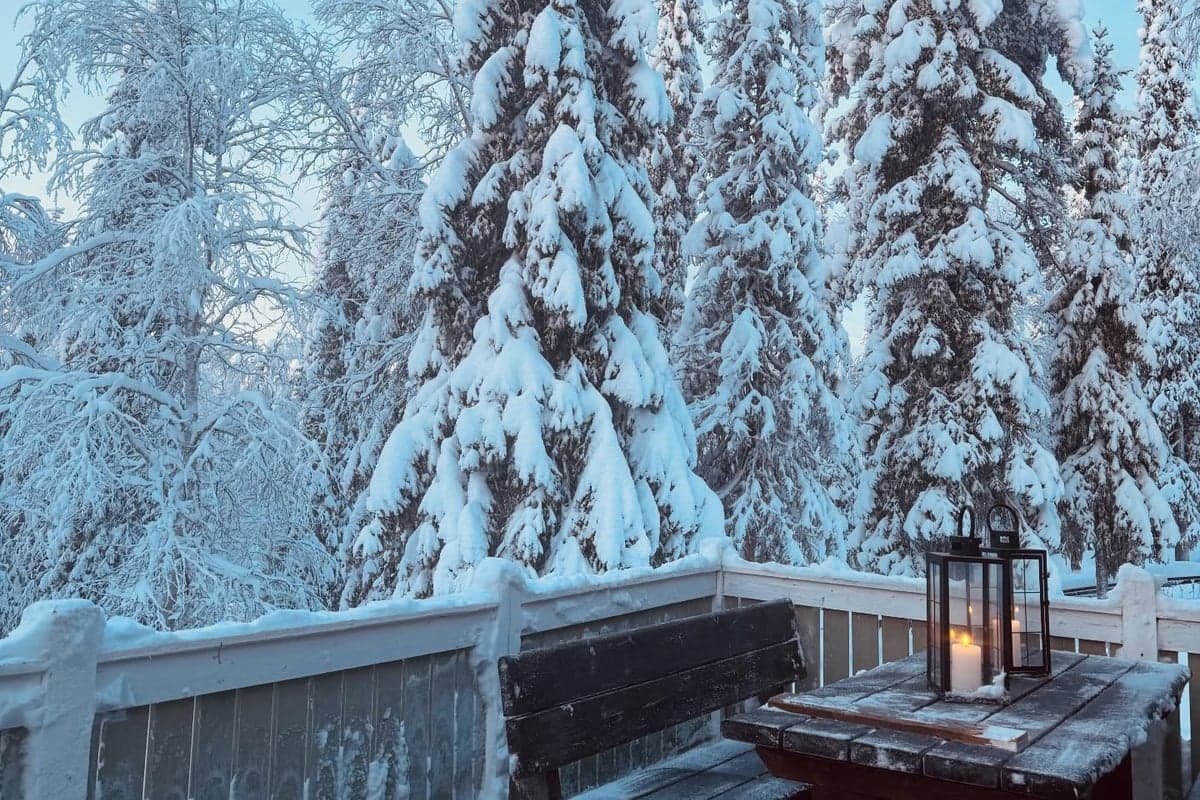
December is peak season in Lapland, driven by Christmas visits and the hunt for the Northern Lights. The polar night means the sun does not rise at all in Levi and Ylläs. You get a few hours of blue twilight around midday, but otherwise it is dark. Temps range from -15°C to -5°C, sometimes colder. This is when Lapland is at its most magical: snow-laden trees, frozen silence, and some of the best aurora viewing of the year. Husky and reindeer safaris, snowmobile trips, and Santa Claus visits are all in full swing. Book well in advance — December is the busiest month.
January: Deep Winter, Deep Silence
January is the coldest month. Temps often drop to -20°C to -30°C. The polar night continues until mid-January, when the sun makes its first brief return above the horizon. The land is buried under deep snow, and the silence of the Arctic forest is deep. It is a stunning month for Northern Lights. The cold, clear air makes for very sharp displays. January is quieter than December after the holiday rush. That makes it a great time for a peaceful winter escape. Just make sure you are ready for the cold — proper layering is key.
February: The Light Returns
February is a favourite month for many Lapland visitors. The sun returns properly and daylight grows fast. The mix of sunshine and fresh snow creates dazzling conditions. Temps stay cold at -15°C to -5°C, but the extra light makes everything feel easier to enjoy. Skiing is typically great — firm snow, clear skies, and enough light to ski all day. The Northern Lights are still visible on clear nights. February strikes the perfect balance between winter mood and comfort.
March: Spring Skiing Season
March is perhaps the best month for skiing in Lapland. Daylight stretches to 12 hours or more. Temps climb to about -10°C to 0°C, and the snow is deep and well-groomed. It is the time for long days on the slopes, cross-country tours through the fells, and après-ski in the sunshine. The aurora season is winding down but still active. March also brings spring skiing culture — grilling sausages by the trail, sunbathing on the cabin terrace, and marking the return of the sun. Families with school-age children often visit during the Finnish winter holiday weeks in late February and March.
April: Late Season and Longer Days
April is a transitional month. The ski season continues into mid- or late April at both Levi and Ylläs, with long sunny days and softening snow. Temperatures range from -5°C to 5°C. The days are noticeably long — 16+ hours of light — and there's a relaxed, end-of-season atmosphere. It's a great time for those who want skiing without the crowds and don't mind slightly softer snow conditions. By late April, the melt begins, and the landscape starts its dramatic transformation from white to brown.
May: The In-Between Month
May is Lapland's quietest month. The snow melts, the ice breaks up on the lakes, and the landscape is a muddy, slushy transition zone. Most ski resorts are closed. It's not the most scenic time to visit, but there's a raw honesty to the thaw that appeals to some. Migratory birds return, and the first green shoots appear on the birch trees. Temperatures climb to 0°C to 10°C. If you visit in May, you'll have the place almost entirely to yourself.
June: Midnight Sun Arrives
June is transformative. The snow is gone, the forests are suddenly green, and the midnight sun arrives — from early June to mid-July, the sun doesn't set at all. It simply circles the sky, dipping towards the horizon at midnight before climbing again. Temperatures reach 10°C to 20°C, occasionally warmer. Hiking, fishing, mountain biking, and canoeing are all in season. The Pallas-Yllästunturi National Park is magnificent in the endless daylight, and the fell-top views stretch to infinity. June is the start of a very different but equally remarkable Lapland.
July: Peak Summer and Warmth
July is the warmest month, with temperatures averaging 15°C to 25°C and occasionally hitting 30°C. The midnight sun continues until mid-July, and even after it technically sets, the nights remain bright twilight. This is peak season for hiking, mountain biking (Ylläs Bike Park is in full operation), fishing for salmon and trout, and berry picking — cloudberries, the Arctic gold, ripen in the bogs. The mosquitoes can be intense in early July, especially near water, so pack repellent and a head net. By late July, the first hints of autumn colour appear on the highest fells.
August: Late Summer and Autumn Preview
August is a beautiful month in Lapland. The crowds thin out and temps ease to 10°C to 18°C. The nights start to darken again — just enough for the first faint aurora sightings by late August. Berry picking hits its peak with blueberries, lingonberries, and cloudberries covering the forest floor. The fells begin their autumn colour change. The air has a crispness that hints at the winter to come. It is a great month for hiking, fishing, and taking in Lapland at its most serene.
Planning Your Visit
For Northern Lights and winter magic: December through February. For skiing: February through March. For midnight sun and summer hiking: June through July. For autumn colours: September. For quietness and value: January, April, or August.
Whatever month you choose, Lapland will surprise you. It's a place that rewards every season, and many of our guests come back to experience a different time of year. The Arctic has a way of pulling you back.